






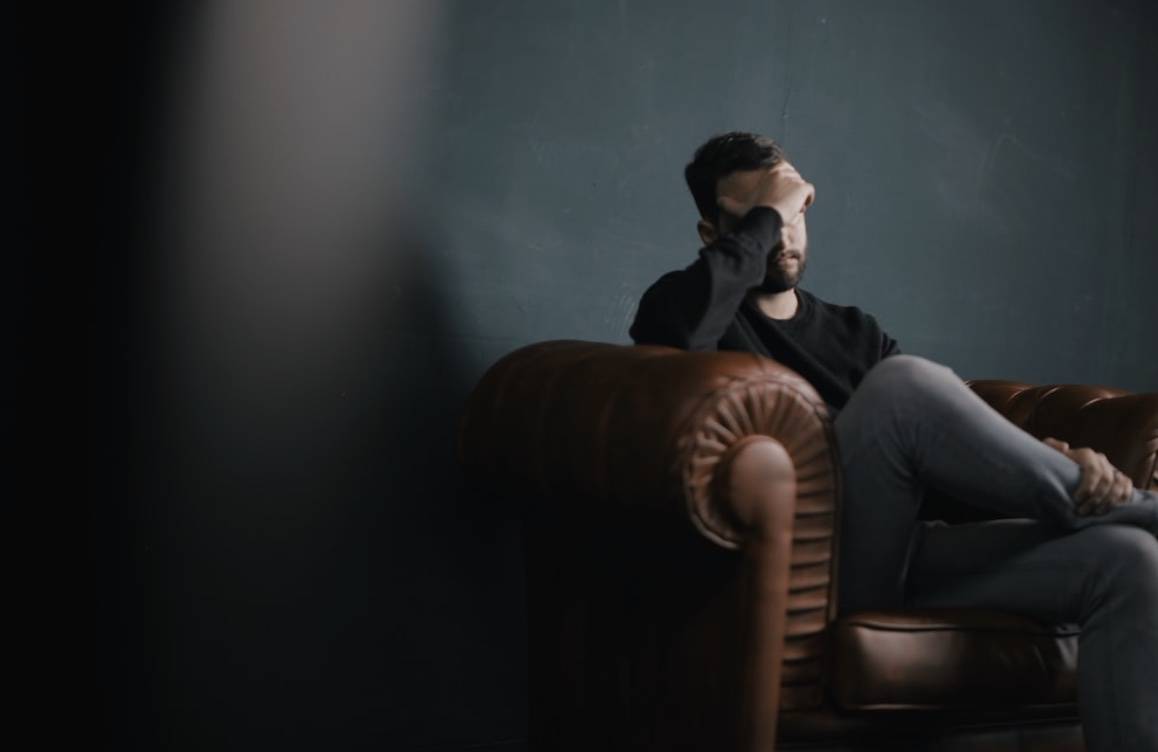






While a bit of stress is normal and can even be beneficial in certain situations, chronic stress can negatively affect a person’s mental and physical health. In this article, we’ll explore the signs of stress and discuss strategies for managing it.
7 Physical Signs You’re Way More Stressed Than You Realize
- Headaches: Frequent headaches, especially tension headaches, can signify stress.
- Muscle tension: Stress can cause muscle tension, leading to pain and discomfort.
- Fatigue: Feeling constantly tired, even after enough sleep, can indicate chronic stress.
- Digestive issues: Stress can cause or worsen digestive problems like stomach pain, diarrhea, and constipation.
- Decreased libido: Your body releases stress hormones when you’re stressed, creating an imbalance in the body and ultimately leading to loss of libido.
- Changes in appetite: Stress can cause changes in appetite, leading to overeating or undereating.
- Skin problems: Stress is the culprit behind many types of skin problems, like acne, eczema, and psoriasis.
Short-Term Stress Symptoms
Here are some common physical and mental sensations during short-term stress:
- Difficulty sleeping
- Increased heart rate
- Sweating
- Muscle tension
- Shortness of breath
Short-Term Stress: Common Emotional and Cognitive Symptoms
- Anxiety
- Irritability
- Difficulty concentrating
- Forgetfulness
- Racing thoughts
- Negative thinking
- Mood swings
Long-Term Stress Symptoms
- Persistent headaches
- Muscle tension
- Fatigue
- Digestive problems
Are You Stressed, or Is It Something Else? (And When to See Your Doctor)
Don’t ignore the red flags! Sudden and intense symptoms like chest pain or gasping for air could be more than just stress – they may signal a heart attack or another life-threatening condition. So act fast and get medical help immediately if you notice these alarming signs.
How Stress Works: The Body’s Fight-or-Flight Response
Although the fight-or-flight response is beneficial in the short term, chronic stress can negatively affect physical and mental health, including an increased risk of heart disease and depression. But effective stress management techniques like meditation, exercise, and counseling can help reduce stress and avoid negative consequences.
By proactively managing stress, individuals can improve their well-being and lead healthier, happier lives.
Signs and Symptoms of Stress Overload
- Chronic fatigue
- Frequent headaches
- Muscle tension
- Chest pain
- Stomach problems
- Insomnia
- Changes in appetite
- Feeling overwhelmed
- Irritable
- Anxiety
- Depression
- Excessive worry
- Avoiding responsibilities
- Social withdrawal
- Procrastination
- Substance abuse
- Neglecting self-care
- Difficulty concentrating
- Forgetfulness
- Negative self-talk
- Conflicts with others
- Reduced empathy
- Isolation
How Long Does Stress Last?
Recognizing the signs and symptoms of constant stress and seeking appropriate help to manage stress effectively is crucial. Properly handling stress and treatment can mitigate its effects, and individuals can lead healthy and fulfilling lives.
Is It Stress or Anxiety? How to Tell the Difference
Anxiety is also more likely to interfere with daily activities, while stress is usually more manageable. While stress is a normal response to a challenging situation, anxiety may require professional treatment, such as therapy or medication.
Top 10 Stressful Life Events
These events can lead to significant changes in an individual’s life, both physically and emotionally, and can impact their mental health and well-being. They include:
- Death of a loved one
- Divorce or separation
- Personal injury or illness
- Marriage or starting a new relationship
- Pregnancy or having a child
- Moving or changing residences
- Losing or changing jobs
- Financial difficulties
- Legal problems or incarceration
- Conflict in personal relationships or with colleagues
What Are Some Ways to Prevent Stress?
- Identify and manage stress triggers
- Practice relaxation techniques
- Exercise regularly
- Eat a healthy diet
- Get enough sleep
- Practice good time management
- Seek social support
- Take breaks and practice self-care
Stress is a common and natural response to challenging situations, but it can negatively affect physical and mental health if not managed properly. There are various strategies individuals can exercise to prevent and manage stress, including lifestyle changes, mindfulness practices, and seeking professional help if necessary. Here are some ideas:
- Try to accept things you cannot change instead of worrying about them.
- Start saying “no” to additional responsibilities when you’re too stressed or busy.
- Spend time with people who help you feel happy, calm, and supported and those who help you when you need it.
Don’t Overlook Pain Management
Disclaimer: Kailo should not be used if you have a pacemaker or are pregnant. Always consult your doctor or health care professional before using Kailo.